
Yangon Zoological Gardens
Wildlife • Conservation • Education
Open Daily • 8 am to 5 pm
In the wild, they can live up to 60–70 years. In captivity, the oldest recorded age of an Asian elephant is around 86 years.
Mostly eat grasses but other they can eat leaves, fruits, bamboo. They eat 300 -600 lb of food per day.
They inhabit tropical forests, open grasslands, evergreen forests, semi-evergreen forests, deciduous forests (both wet and dry), marshes and dry wetlands, degraded forest areas, and cultivated lands.
Asian elephants are found in 13 countries across South and Southeast Asia. These countries include: India, Sri Lanka, Bangladesh, Bhutan, Myanmar, Nepal, Cambodia, Thailand, Malaysia, Laos, Vietnam, China, and Indonesia.
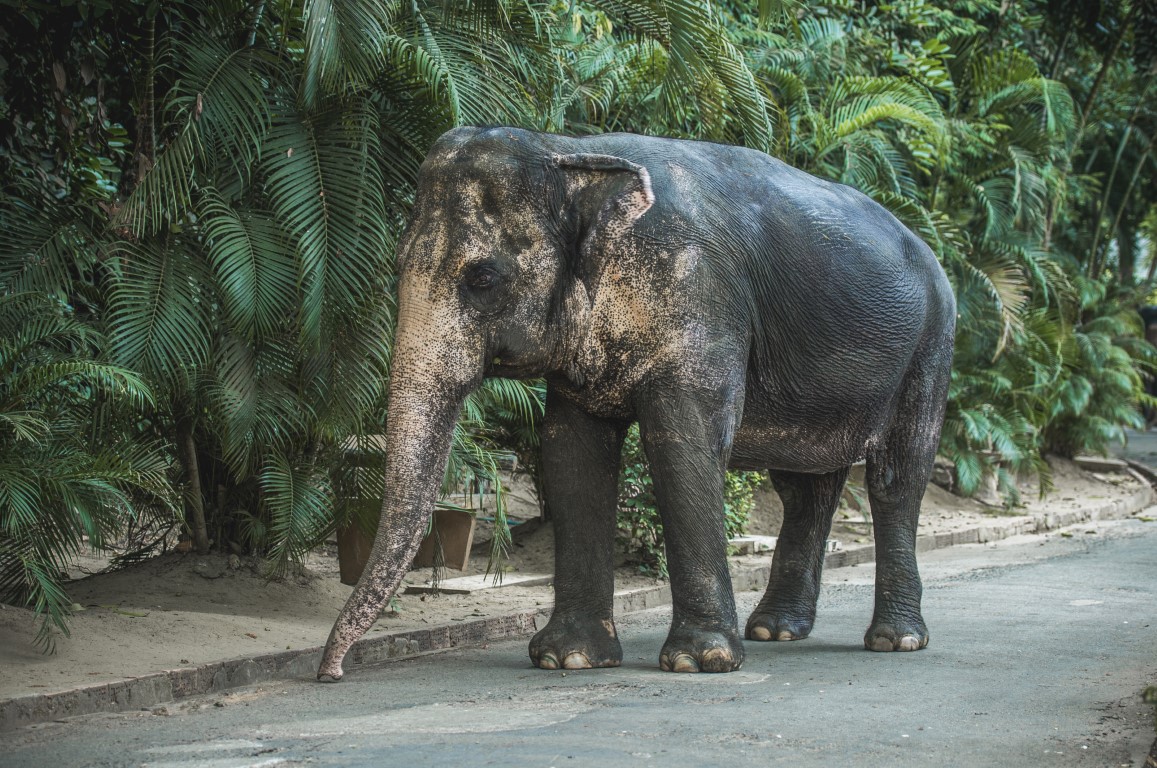
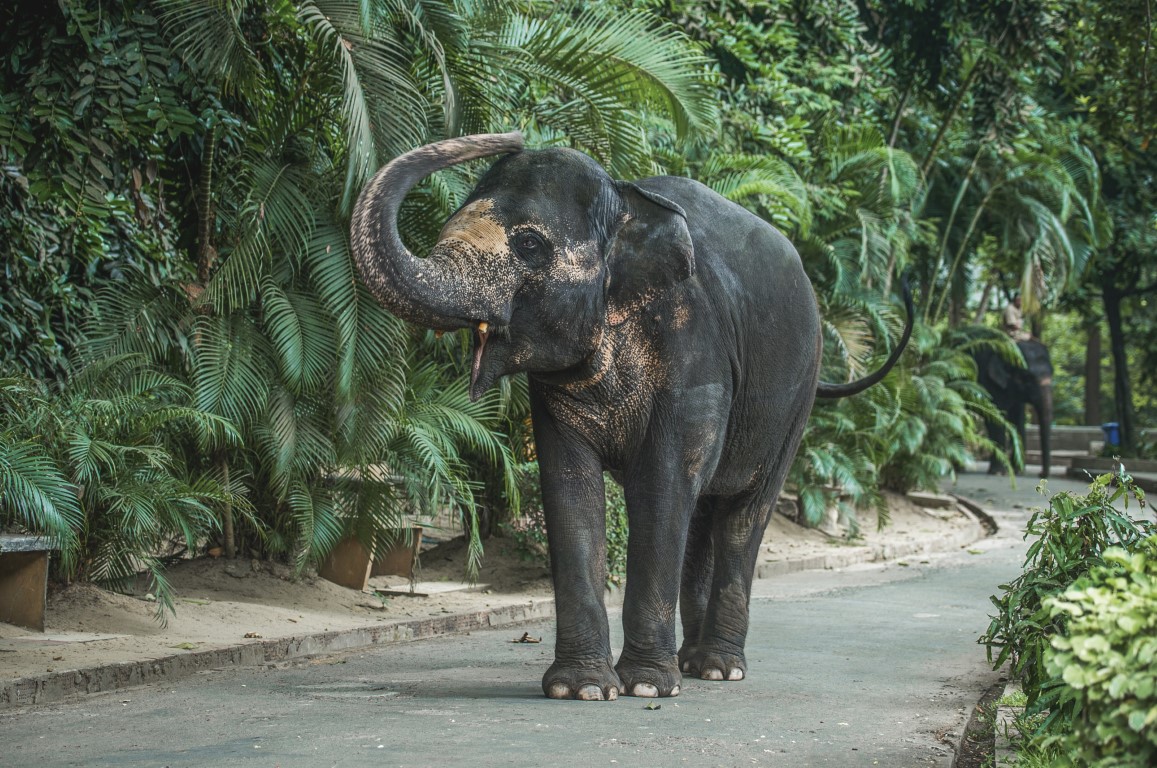
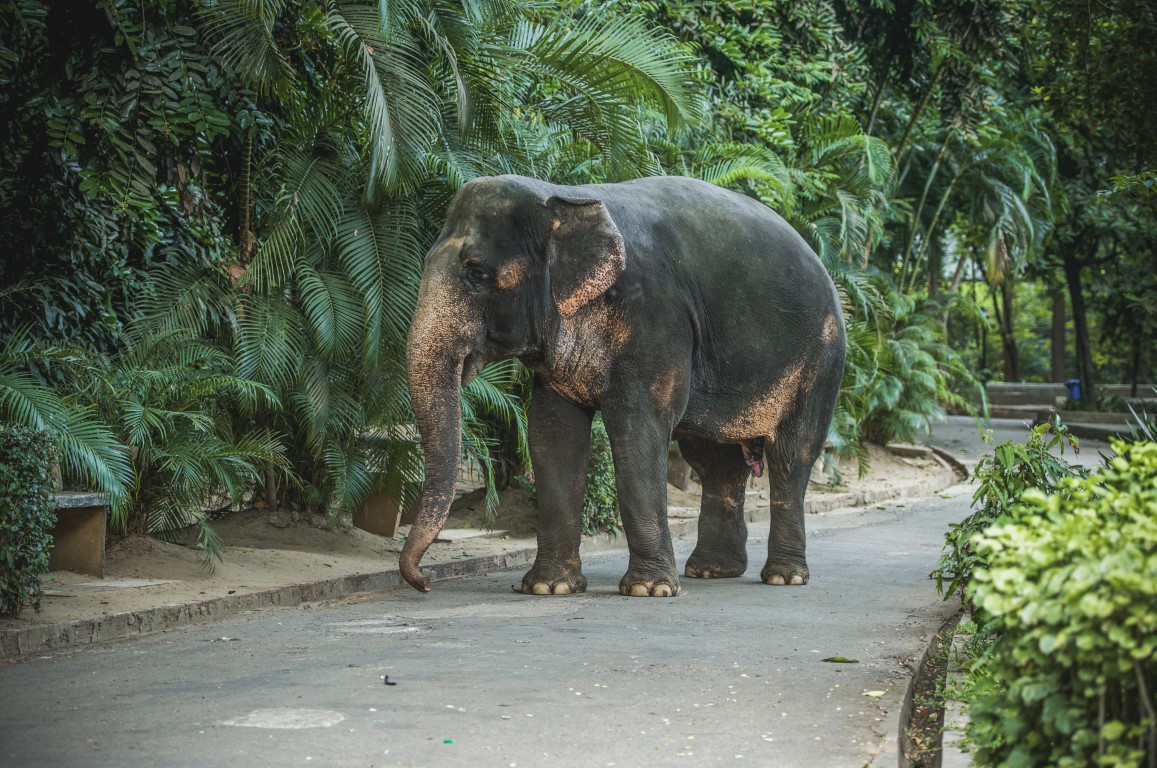
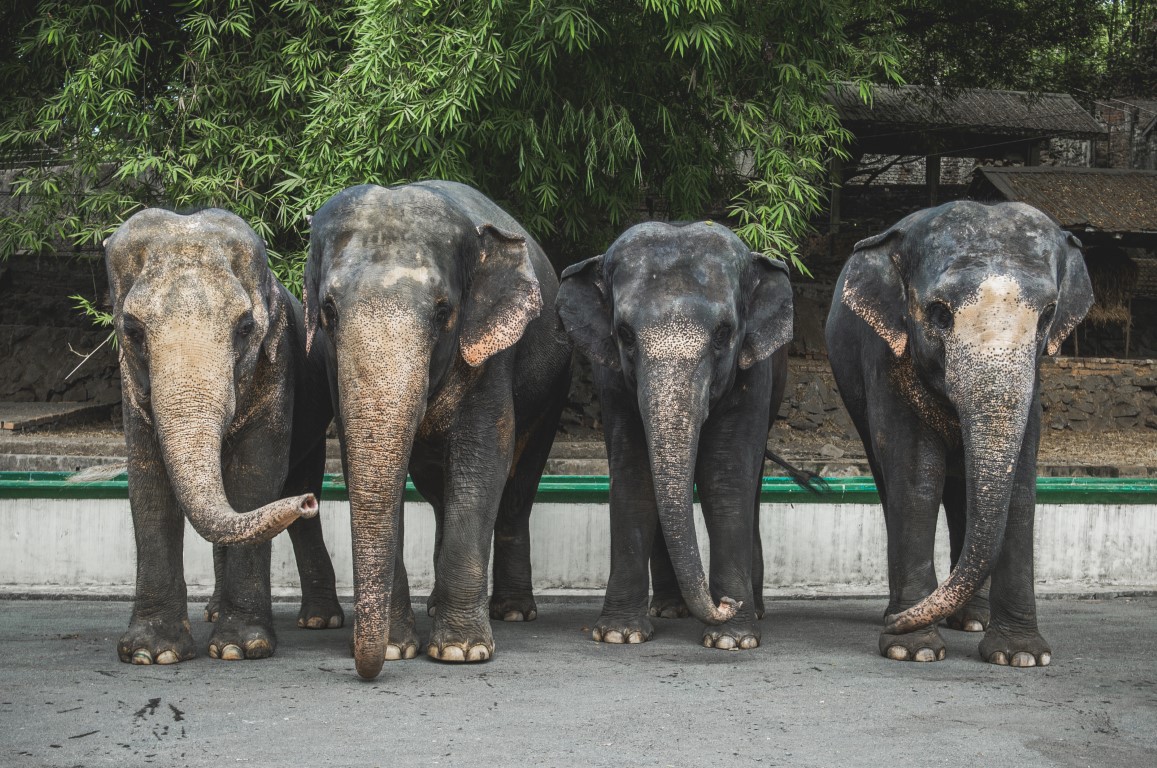

Asian elephants are the second largest land mammals after African elephants. Their bodies are covered with grey skin, which contains sparse hair. When they are young, their hair is dense, but it becomes thinner as they grow older. Their skin has wrinkles, which is one of their unique characteristics. Male elephants are noticeably larger than females and have broader ears. Male elephants also have long tusks, while females either have small tusks or none at all.
Asian elephants are classified as Endangered by the IUCN Red List.